Benefits of Importing Onion from India Under FTA Agreements

Benefits of Importing Onion from India Under Various FTA Agreements
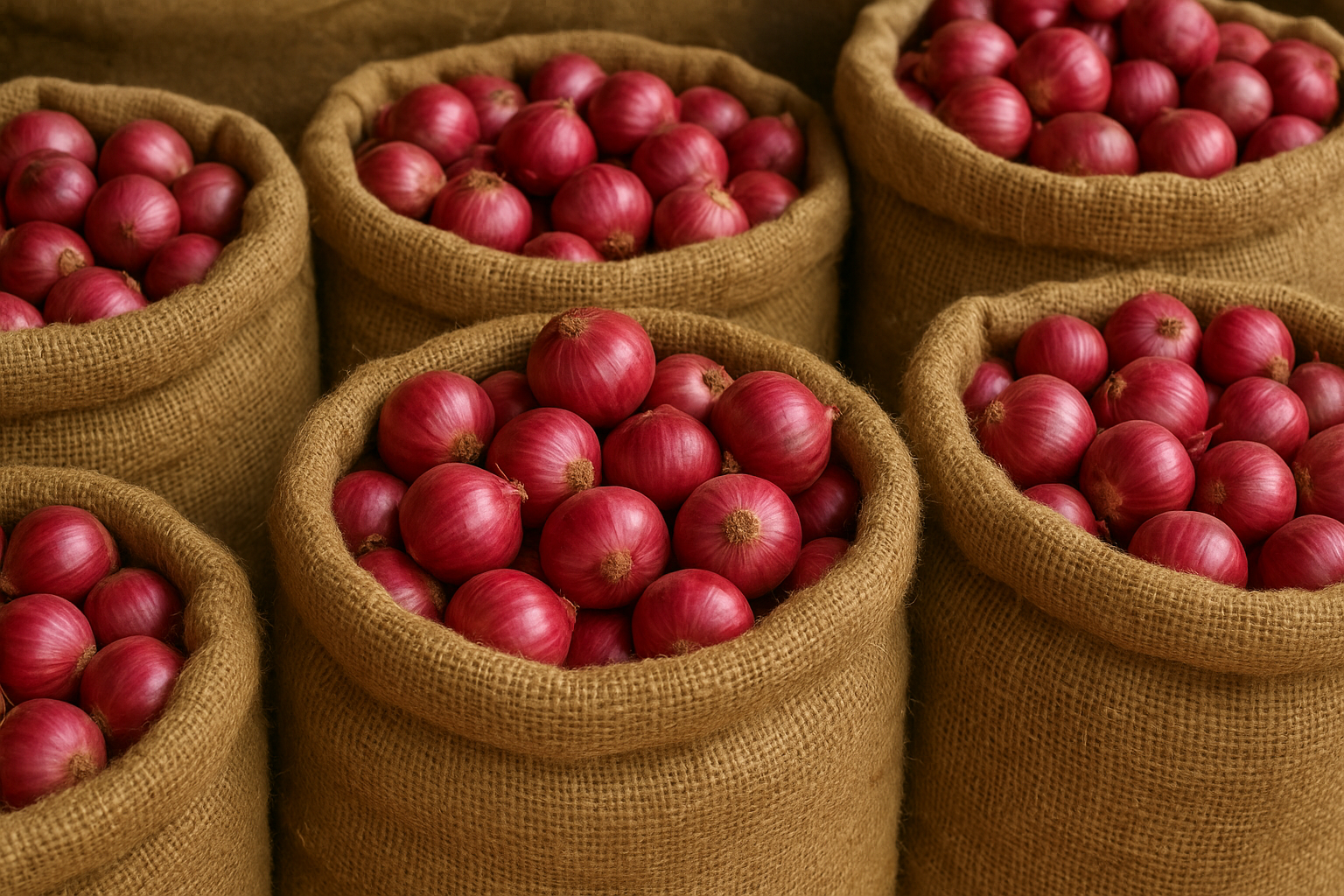
India is one of the world’s largest producers and exporters of onions, supplying premium-quality onions to global markets throughout the year. For international importers, sourcing onions from India becomes even more advantageous due to Free Trade Agreements (FTA) that offer tariff benefits, reduced duties, and smoother trade procedures. These agreements make Indian onions highly competitive in global markets.
Why Import Onion from India?
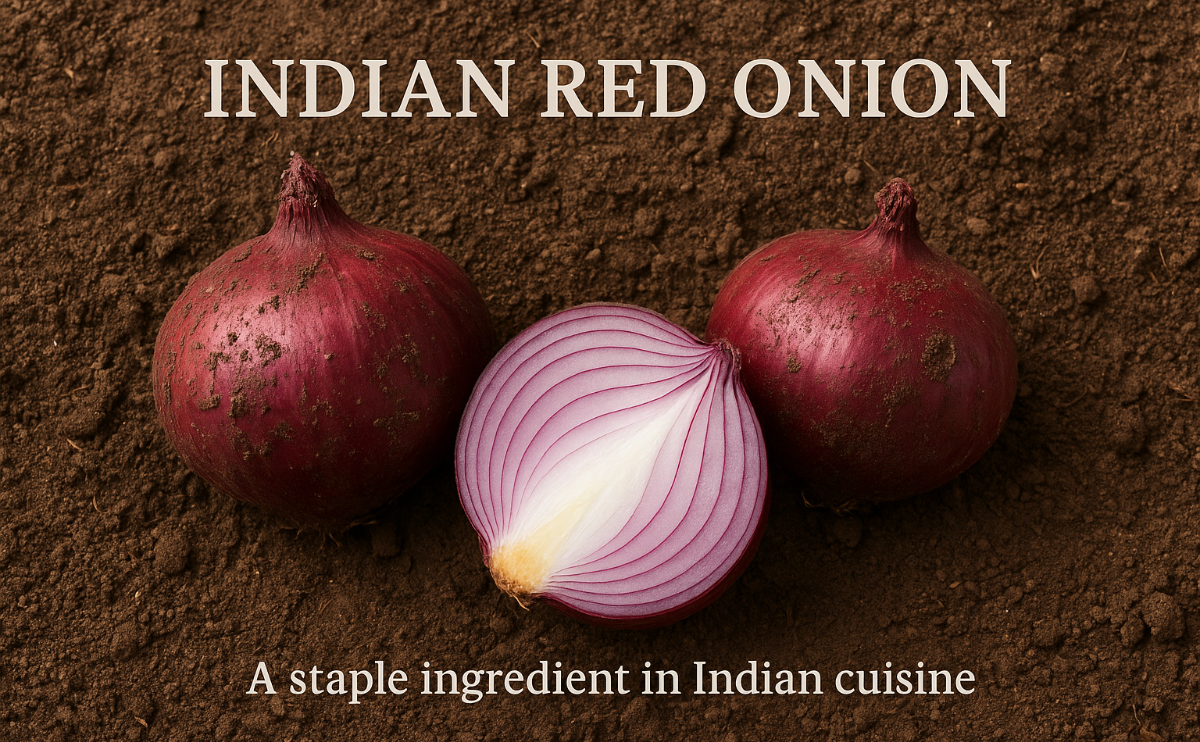
Indian onions are globally preferred because of their strong pungency, longer shelf life, uniform size, and competitive pricing. India produces onions in multiple seasons, ensuring year-round availability for export markets.
Key advantages of Indian onions:
Strong flavor and high pungency
Long storage and transport life
Large-scale production and consistent supply
Competitive export pricing
Export-quality grading and packaging
Role of Free Trade Agreements (FTA) in Onion Imports
Free Trade Agreements reduce or eliminate customs duties between partner countries. When onions are imported from India under applicable FTAs, importers benefit from lower landed costs, improved profit margins, and faster customs clearance.
Indian onion exports are covered under multiple bilateral and regional trade agreements, depending on the importing country.
Major FTA Agreements Covering Onion Imports from India
1. SAFTA (South Asian Free Trade Area)
Countries such as Bangladesh, Sri Lanka, Nepal, Bhutan, and Maldives benefit from reduced or zero customs duty on onions imported from India under SAFTA. This makes Indian onions the most cost-effective choice for South Asian markets.
Benefits:
Preferential duty rates
Faster customs clearance
Lower import costs
2. ASEAN–India Free Trade Agreement (AIFTA)
Under the ASEAN–India FTA, countries like Thailand, Malaysia, Indonesia, Vietnam, and Singapore enjoy reduced tariffs on agricultural products, including onions.
Benefits:
Competitive pricing in ASEAN markets
Duty concessions on fresh onions
Stable long-term trade opportunities
3. India–UAE CEPA
The Comprehensive Economic Partnership Agreement (CEPA) between India and the UAE has strengthened agricultural trade.
Benefits for UAE importers:
Reduced or zero import duty on onions
Faster customs procedures
Reliable supply for re-export markets
4. India–Japan CEPA
Under this agreement, Indian agricultural products gain preferential access to the Japanese market.
Benefits:
Reduced tariff burden
Better price competitiveness
Improved market access for Indian onions
5. India–Mauritius CECPA
Indian onion exports to Mauritius benefit from duty concessions under this agreement, supporting consistent demand and competitive pricing.
Cost Advantage for Importers
Importing onions from India under FTAs significantly reduces:
Import duty costs
Overall landed price
Supply chain expenses
This allows importers to maintain competitive pricing in their domestic markets while ensuring quality supply.
Documentation Required to Claim FTA Benefits
To avail FTA benefits, importers must ensure:
Certificate of Origin (COO) issued by authorized Indian authorities
Correct HS code declaration
Compliance with SPS (Sanitary & Phytosanitary) norms
Proper export documentation
Correct documentation ensures smooth clearance and eligibility for preferential tariffs.
Why Indian Onion is a Strategic Import Choice
With extensive FTA coverage, strong production capacity, and export-ready infrastructure, India remains a strategic sourcing destination for onion imports. Importers benefit from lower duties, consistent quality, and dependable supply chains.
Conclusion
Importing onions from India under various Free Trade Agreements offers clear advantages in terms of cost savings, tariff benefits, and supply reliability. Whether importing under SAFTA, ASEAN–India FTA, or bilateral agreements, Indian onions provide unmatched value for global buyers. With the right documentation and trusted exporters, Indian onions continue to dominate international vegetable trade.